The digital marketing landscape is undergoing a seismic shift, and artificial intelligence is at the epicenter of this transformation. As we move through 2025, AI has evolved from a buzzword to an essential tool that's reshaping how brands connect with their audiences, optimize campaigns, and drive measurable results.
The Current State of AI in Marketing
Today, AI is no longer a luxury reserved for tech giants with massive budgets. Sophisticated AI tools have become accessible to businesses of all sizes, enabling them to compete on a level playing field. From predictive analytics to natural language processing, AI technologies are helping marketers make data-driven decisions with unprecedented accuracy.
AI-Powered Personalization at Scale
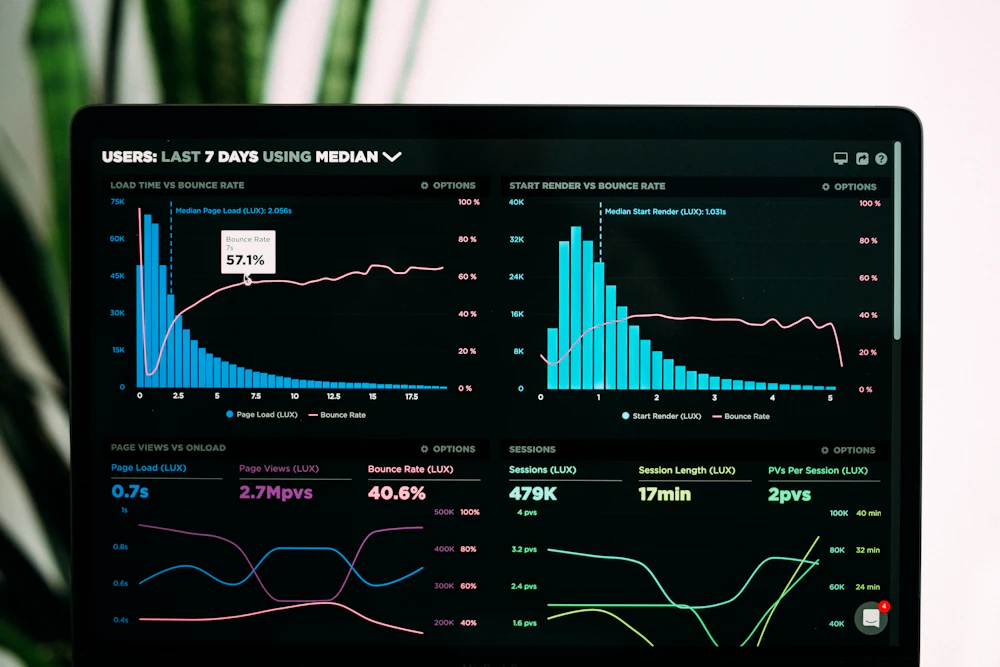
One of the most significant impacts of AI in digital marketing is the ability to deliver hyper-personalized experiences at scale. Traditional personalization methods often fall short when dealing with large audiences, but AI algorithms can analyze thousands of data points in real-time to create truly individualized experiences.
Real-World Applications
- Dynamic Content Optimization: AI systems automatically test and optimize website content, email campaigns, and ads based on individual user behavior and preferences
- Predictive Customer Journey Mapping: Machine learning models anticipate customer needs and serve the right content at the perfect moment in their journey
- Intelligent Product Recommendations: Advanced algorithms analyze browsing history, purchase patterns, and similar user profiles to suggest highly relevant products
- Personalized Email Sequences: AI crafts unique email content and determines optimal send times for each subscriber based on their engagement patterns
Content Creation Revolutionized by AI
The content creation process has been completely transformed by AI tools. While some fear that AI might replace human creativity, the reality is that it's enhancing it. Marketers are now using AI as a collaborative partner that handles repetitive tasks while humans focus on strategy and creative direction.
"AI won't replace marketers, but marketers who use AI will replace those who don't. The future belongs to those who can effectively collaborate with intelligent systems to create more impactful marketing campaigns."
AI Content Tools in Action
- Automated Copywriting: AI generates compelling ad copy, product descriptions, and social media posts that resonate with target audiences
- Visual Content Creation: AI-powered design tools create stunning graphics, infographics, and even video content based on simple text prompts
- Content Strategy Optimization: AI analyzes performance data to recommend content topics, formats, and distribution channels most likely to succeed
- Multilingual Content Generation: Instant translation and localization of content while maintaining brand voice and cultural relevance
Predictive Analytics and Customer Insights
The ability to predict future customer behavior is perhaps the most powerful application of AI in marketing. By analyzing historical data and identifying patterns, AI models can forecast everything from customer lifetime value to churn probability with remarkable accuracy.
The Ethical Considerations of AI in Marketing
As AI becomes more integrated into marketing strategies, ethical considerations must take center stage. Issues around data privacy, algorithmic bias, and transparency are critical concerns that every marketer must address.
Best Practices for Ethical AI Implementation
- Transparent Data Usage: Clearly communicate how customer data is being used and obtain proper consent
- Bias Mitigation: Regularly audit AI systems for potential biases and implement corrective measures
- Human Oversight: Maintain human review processes for critical AI-driven decisions
- Privacy by Design: Build privacy protections into AI systems from the ground up
Getting Started with AI in Your Marketing Strategy
Implementing AI doesn't require a complete overhaul of your existing marketing strategy. Start small with focused pilot projects that address specific pain points, then scale based on results and learnings.
Implementation Roadmap
- Identify Use Cases: Pinpoint areas where AI can deliver the most immediate value
- Select the Right Tools: Choose AI solutions that integrate well with your existing marketing stack
- Build Internal Expertise: Train your team on AI concepts and best practices
- Start with Pilot Projects: Implement AI in controlled environments to measure impact
- Scale and Optimize: Expand successful pilots and continuously refine your approach
The future of AI in digital marketing is not about replacing human creativity and intuition, but about augmenting these qualities with powerful data-driven insights. As we look toward the rest of 2025 and beyond, the marketers who thrive will be those who embrace AI as a collaborative partner in creating more meaningful, effective, and efficient marketing campaigns.
The transformation has already begun, and the opportunities are limitless for those willing to adapt and innovate. The question isn't whether AI will change digital marketing—it's how quickly you can harness its power to stay ahead of the curve.